Employee Onboarding Best Practices: How to Boost Engagement and Reduce Early Turnover
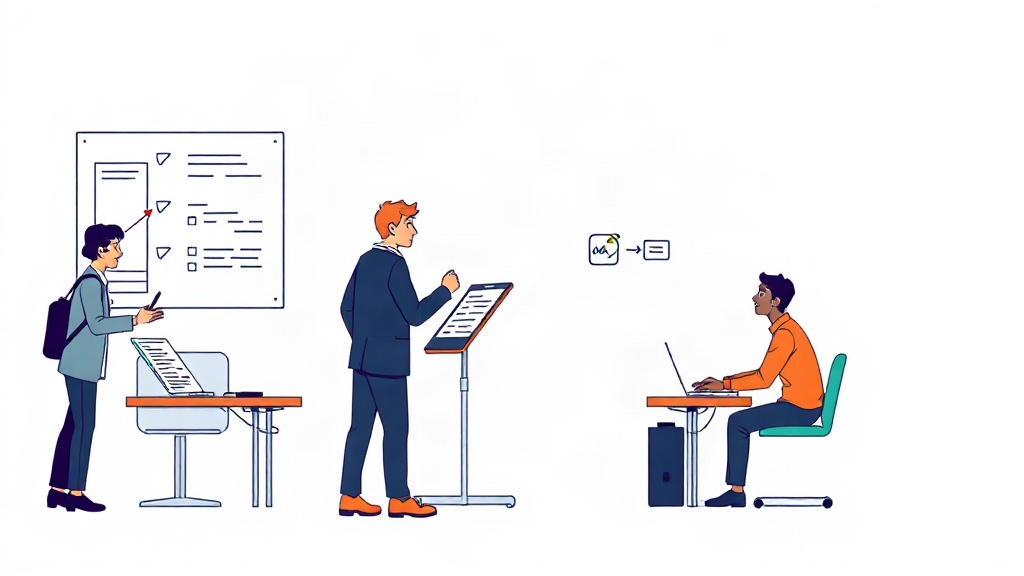
Onboarding is no longer a first-week checklist. It is one of the most influential experiences in the employee lifecycle, shaping how quickly a new hire contributes, whether they feel they belong, and how long they stay. Companies that treat it as a strategic process, not an administrative task, consistently see stronger engagement and lower early turnover.
Why the First Months Matter So Much
New hires form lasting impressions fast. Research from Gallup has long shown that many employees feel their organization does a poor job of onboarding, and that a well-designed experience is closely tied to confidence in the role and commitment to the company. When expectations are unclear or the welcome feels improvised, disengagement can start before the first project is assigned.
The business case is straightforward. A slow ramp-up means lost productivity, overloaded managers, and a greater risk of regretted exits. A structured process shortens time to contribution and builds the trust that keeps people around.
Start Before Day One
Effective onboarding begins the moment an offer is accepted. Preboarding keeps momentum going and reduces first-day anxiety. Practical steps include:
- Sending equipment and account access in advance so the first morning isn't spent on IT tickets - Sharing a clear schedule for the first week, including who the new hire will meet - Introducing a manager or buddy through a short, friendly message - Providing paperwork digitally so it is completed early
These small gestures signal that the team is prepared and that the new hire's time is valued.
Make Expectations Explicit
Many onboarding programs fail because they focus on information instead of clarity. Leaders can do more by defining what success looks like at 30, 60, and 90 days. Pair those milestones with regular one-on-one conversations where the new hire can ask questions, get feedback, and raise concerns.
Managers play the central role here. Even the best software and welcome kits cannot replace a manager who explains priorities, connects the work to the bigger mission, and checks in consistently.
Build Connection, Not Just Competence
Skills training matters, but belonging often determines whether someone thrives. Assigning a peer buddy, scheduling informal introductions across teams, and inviting new hires into relevant communities all help them build a network faster. For distributed and hybrid teams, this must be intentional, since the hallway conversations that once happened naturally no longer do.
Rethink Onboarding for Remote and Hybrid Teams
Employees who joined remotely often missed the cultural cues and relationships that in-person teams absorb by default. Harvard Business Review has highlighted the idea of re-onboarding for these workers: revisiting their experience after the fact, filling gaps in context, and helping them build relationships they may have missed.
Even for newer hires, a re-onboarding check-in can be valuable. Ask what they still don't understand about how decisions get made, who the key stakeholders are, and what unwritten rules they've had to guess at. Then close those gaps with targeted introductions, documentation, or mentoring.
Gather Feedback and Keep Improving
The best onboarding programs are never finished. Collect feedback at the end of the first week, the first month, and the first quarter. Look for patterns: Are people confused about tools? Do they feel disconnected from leadership? Is the pace overwhelming?
Useful metrics include:
- Time to first meaningful contribution - New hire satisfaction and confidence scores - Early retention rates - Manager feedback on readiness
Treat these as signals for refinement, not as a scorecard.
Personalize Where It Counts
A standard framework gives consistency, but rigid scripts can feel impersonal. Experienced hires may need less training on fundamentals and more help understanding company politics and workflows. Early-career employees may need more structure and mentoring. Flexible tracks based on role and background let you respect both.
Turn Onboarding Into a Competitive Advantage
In a market where talent has options, the quality of the welcome says a lot about the culture behind it. Organizations that plan ahead, set clear expectations, foster real connections, and listen to feedback are more likely to turn new hires into engaged, long-term contributors.
Start small if needed. Audit your current process from a new hire's perspective, identify the biggest friction points, and fix those first. Consistent, thoughtful improvements add up to an onboarding experience people remember for the right reasons.