Employee Onboarding Best Practices: How to Build a Program That Boosts Productivity and Retention
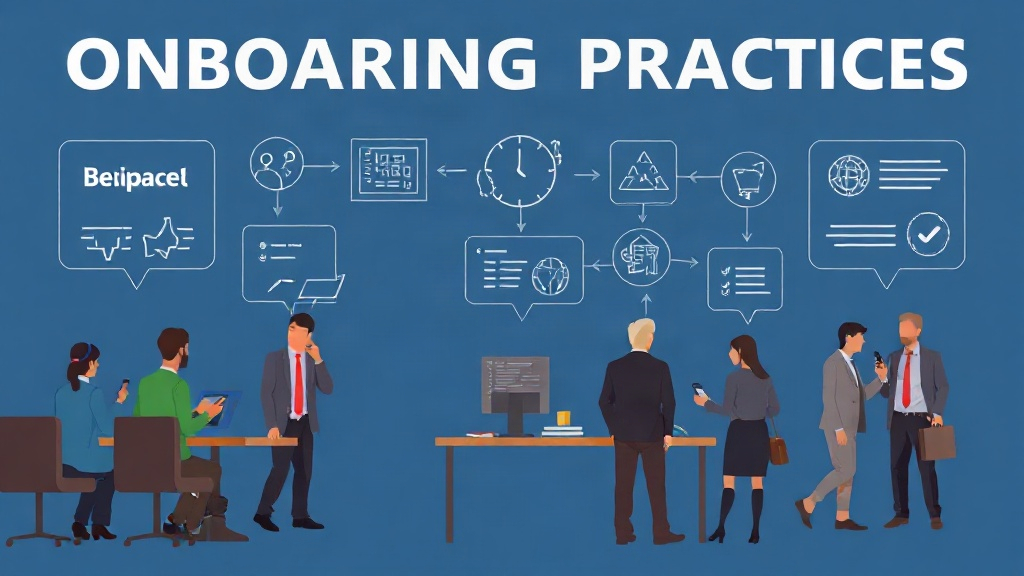
Great onboarding rarely happens by accident. It is a deliberate, structured experience that begins the moment a candidate accepts an offer and continues well past the first week. Organizations across industries, from corporate boardrooms to hospitals to nonprofit advocacy groups, are rethinking how they welcome new people, and the common thread is intentionality.
Why Onboarding Deserves More Attention
A new hire forms impressions quickly. Within the first few weeks, they decide whether the role matches what they were promised, whether leadership is organized, and whether they will have the support to succeed. Poor onboarding often shows up later as slow productivity, disengagement, and early turnover, all of which are expensive to fix.
Strong programs do the opposite. They shorten time to productivity, build confidence, and create a sense of belonging before frustrations have a chance to take root.
Lessons From Different Sectors
Recent coverage of onboarding shows how the same principles apply in very different settings.
Boards and senior leadership. Guidance for corporate boards, such as PwC's director onboarding resources, emphasizes that new directors need more than a stack of governance documents. Effective programs introduce the company's strategy, risk landscape, committee responsibilities, and culture, and they connect new directors with management and fellow board members early. The goal is to help a director contribute meaningfully in the first meeting rather than the fourth.
Healthcare and physician practices. Medical Economics has highlighted an intentional, comprehensive approach for physician onboarding, treating it as a long-term process rather than a one-time orientation. The American Medical Association has similarly advised early-career doctors to look closely at electronic health record training when evaluating a first job. Questions worth asking include how much protected time is provided for EHR learning, whether there is ongoing support from trainers or super-users, and how templates and workflows will be personalized. In a field where documentation burden contributes to burnout, this part of onboarding can shape job satisfaction for years.
Mission-driven organizations. Citizens' Climate Lobby staffers built an onboarding best practices workshop series to share what works across teams. That peer-driven model is a useful reminder that the people closest to the work often have the most practical insight into what newcomers need.
Core Elements of an Effective Onboarding Program
Whatever the industry, successful programs tend to share several features:
- Pre-boarding communication. Send logistics, schedules, and a warm welcome before day one so the new hire arrives prepared rather than anxious. - Clear expectations. Define role responsibilities, goals for the first 30, 60, and 90 days, and how success will be measured. - Systems and tools training. Give people enough time and support to learn the technology they will use daily, whether that is an EHR, a project platform, or a board portal. - Relationship building. Pair new hires with mentors or buddies and schedule introductions with key colleagues and stakeholders. - Cultural immersion. Explain not only what the organization does but how decisions get made and what behaviors are valued. - Regular feedback loops. Check in frequently, ask what is confusing, and adjust the plan in real time.
Making Onboarding Stick
Treat onboarding as an ongoing journey. Many organizations now extend it to the first six months or even the first year, with scheduled touchpoints that address evolving needs. Early on, a new employee needs logistics and context. Later, they need deeper training, career conversations, and opportunities to contribute ideas.
Measurement matters too. Surveys at 30, 90, and 180 days can reveal gaps in training, communication, or manager support. Pair that data with retention and performance trends to see which parts of the program drive results.
Finally, remember that hybrid and remote work have raised the stakes. Without hallway conversations, organizations must create connection on purpose through video introductions, documented processes, virtual coffee chats, and clear points of contact for questions.
The Takeaway for Employers and New Hires
Employers who invest in thoughtful onboarding gain faster ramp-up, stronger engagement, and better retention. New hires, meanwhile, can use the same criteria to evaluate opportunities: ask what the first 90 days look like, who will provide support, and how training is structured. The answers say a great deal about how an organization values its people.