Meeting Culture: How to Build Better, More Purposeful Meetings for Hybrid Teams
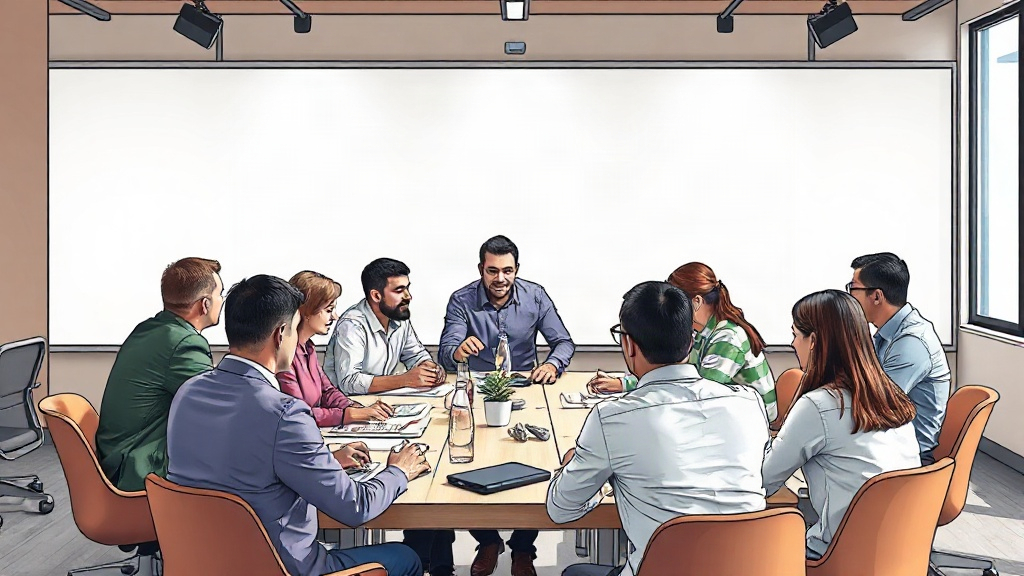
Meetings are the heartbeat of modern work, yet few things frustrate professionals more. Calendars fill up, video tiles multiply, and the same question keeps coming back: did we really need to meet for this? Meeting culture, the shared norms, expectations, and habits that shape how a team gathers, has become one of the most important and most overlooked factors in organizational health.
Meetings Are Culture in Action
Every meeting sends a message about what an organization values. Who gets invited, who speaks first, whether the agenda is shared in advance, and whether people feel safe disagreeing all reveal the unwritten rules of a workplace.
Large-scale gatherings make this especially visible. Recently, the BRICS Culture Working Group met in Bhopal, a reminder that meetings are also instruments of diplomacy and collaboration. Structured, purposeful gatherings help people from different backgrounds align on shared goals. The same principle applies in a ten-person marketing team: a well-run meeting builds trust, and a poorly run one erodes it.
The Hybrid Challenge
Hybrid work has made meeting culture harder to get right. When some participants sit in a conference room and others join from home, an invisible hierarchy often forms. In-room voices dominate, remote colleagues struggle to interject, and side conversations leave half the group out.
Some companies have gotten creative about fixing this. Microsoft, for instance, once used Minecraft to teach employees healthy hybrid meeting habits, turning abstract etiquette into a hands-on, game-like experience. The lesson is that meeting behavior can be taught and practiced, not just announced in a policy memo. People adopt new habits faster when they experience the problem firsthand.
Signs Your Meeting Culture Needs a Reset
Not sure whether your team has a problem? Watch for these signals:
- Calendars packed with back-to-back calls and no time to do the actual work - Attendees multitasking or keeping cameras and microphones off out of disengagement - Meetings that end without clear owners or next steps - The same two or three people doing most of the talking - Recurring meetings that continue long after their purpose has faded
If several of these sound familiar, the issue is rarely individual behavior. It is usually a lack of shared standards.
Practical Ways to Build a Healthier Meeting Culture
Ask whether a meeting is necessary. Many updates work better as a short written summary or recorded video. Reserve live time for decisions, brainstorming, and sensitive conversations.
Write a purpose, not just a title. A meeting invitation should state the goal and the outcome expected. "Decide vendor shortlist" is far more useful than "Vendor sync."
Shorten the default. Setting calendar defaults to 25 or 50 minutes gives people a buffer to breathe, stretch, and prepare for the next conversation.
Design for equity in hybrid settings. Have everyone join on their own device when possible, use a shared document for notes, and assign someone to monitor chat and raise remote voices.
Rotate roles. Facilitator, note-taker, and timekeeper roles distribute ownership and keep participation balanced.
Close the loop. End with a recap of decisions, owners, and deadlines, then share it in writing within a day.
Protecting Focus Time
Meeting culture isn't only about what happens inside the meeting. It is also about what meetings displace. Teams that designate meeting-free blocks, or even whole days, often see gains in deep work and morale. Leaders play a critical role here: when executives model restraint by declining unnecessary invites and ending early, the rest of the organization follows.
Preserving What Works
Not every tradition should be discarded. Just as historic preservation efforts protect landmarks that carry meaning for a community, teams should identify the rituals worth keeping, whether that's a weekly all-hands that fosters connection or a Monday kickoff that sets priorities. The goal is not fewer meetings at any cost. It is meetings that earn their place on the calendar.
Making Meetings Matter
Healthy meeting culture is built through small, consistent choices: clearer purposes, respectful timing, inclusive formats, and honest reflection. Teams that periodically review how they meet, and invite feedback without defensiveness, tend to adapt faster as work evolves. When meetings become intentional rather than automatic, they stop being a drain on energy and start becoming what they were always meant to be: a place where people think, decide, and move forward together.