Meeting Culture: How to Run Purposeful, Inclusive Meetings That Build Trust and Drive Decisions
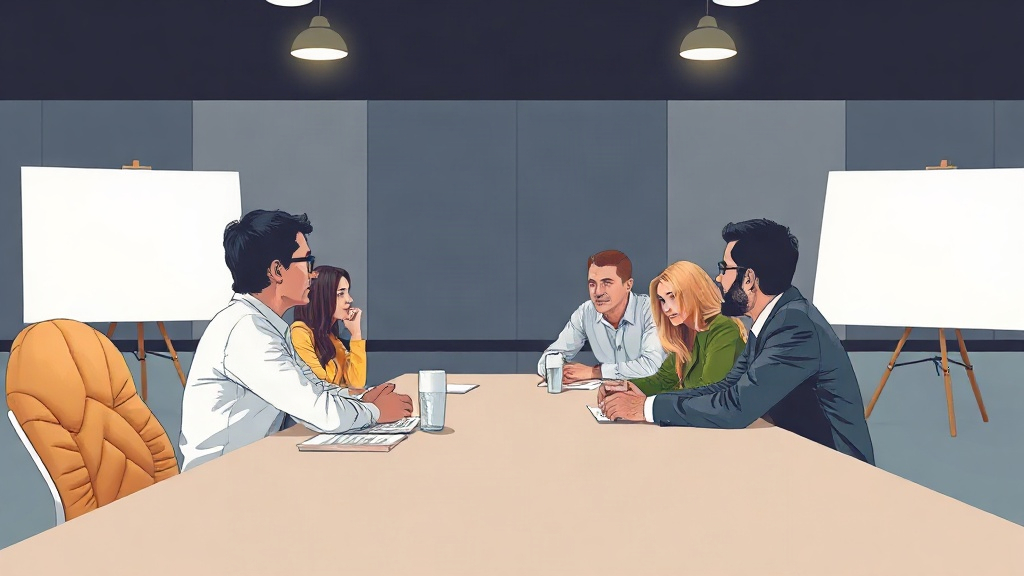
Meeting culture shapes how organizations decide, how teams trust each other, and how communities feel heard. The same calendar invite can signal respect for people's time or prove how little a group values it. Across workplaces, civic life, and the cultural sector, the question is no longer whether to meet, but how to meet well.
Why Meeting Culture Matters More Than Ever
Hybrid work, distributed teams, and overloaded calendars have pushed meeting habits into the spotlight. Many professionals now spend a large share of their week in calls and conference rooms, and a growing number say much of that time could be better spent. Poorly run meetings drain energy, blur accountability, and quietly erode morale.
Great meeting culture does the opposite. It creates shared clarity, speeds up decisions, and gives quieter voices a way in. It is less about software or etiquette rules than about a set of shared expectations: why we gather, who needs to be there, and what must be true when we leave.
Lessons From Strategic and Community Meetings
Recent headlines show how varied purposeful meetings can be. Europa Nostra, the European voice of civil society committed to cultural heritage, recently held a strategic meeting with UNESCO's Assistant Director-General for Culture at the organization's Paris headquarters. Meetings like this are about alignment: two institutions clarifying priorities, identifying common ground, and shaping future collaboration. The value comes from preparation and a clear sense of what each side wants to achieve.
At the local level, the City of Newton has announced a community meeting about its Washington Street Cultural District, set for December 2. Here the goal is different but just as important: opening the door to residents, artists, and local businesses so that planning reflects the people who live and work there. Whether the room is in Paris or a neighborhood venue, the principle holds. A meeting works when it is designed around its purpose and its participants.
Principles of a Healthy Meeting Culture
Teams that handle meetings well tend to share a few habits:
- Purpose first. Every meeting should answer one question: what decision, input, or alignment are we here to produce? If the answer is "an update," an asynchronous message may do the job. - Right people, right size. Smaller groups decide faster. Inviting people "just in case" dilutes focus and costs hours of collective time. - A real agenda, shared early. Even three bullet points sent in advance help participants prepare and contribute with substance. - Defined roles. A facilitator keeps discussion on track, a note-taker captures decisions, and a timekeeper protects the schedule. - Clear outcomes. End with owners, deadlines, and next steps, then circulate them promptly.
Making Meetings Inclusive
Inclusion is a core part of meeting culture, not an optional extra. In hybrid settings, remote participants can easily fade into the background while the in-room conversation dominates. Simple adjustments help: have everyone join on their own device when a mix of locations is involved, use a shared document for live notes, and invite input in several formats, including chat, polls, and written follow-ups.
Community meetings carry an extra responsibility. Accessible venues, clear language, flexible times, and multiple ways to comment mean more people can take part. When residents see that their feedback shapes outcomes, trust in the process grows.
Reducing Meeting Overload
Organizations are increasingly experimenting with practical ways to lighten the load:
- Meeting-free blocks that protect time for focused work - Default durations shorter than the standard half hour or hour - Written briefs and recorded updates replacing status calls - Regular calendar audits to retire recurring meetings that no longer serve a purpose
These small shifts add up. When leaders model the behavior, by declining meetings without agendas or ending early when the work is done, the culture follows.
Building a Culture That Lasts
Meeting culture is never fixed. It evolves with the team, the technology, and the goals of the moment. The most effective groups review it regularly, asking simple questions: Which meetings create value? Which ones feel like habit? Who is not being heard?
Treat every gathering as a small investment of collective attention. When a meeting has a clear purpose, a welcoming structure, and a visible outcome, it stops being a calendar burden and becomes what it was always meant to be: a place where people move work, ideas, and communities forward together.