Meeting Culture: What Your Meetings Reveal About Your Company and How to Fix It
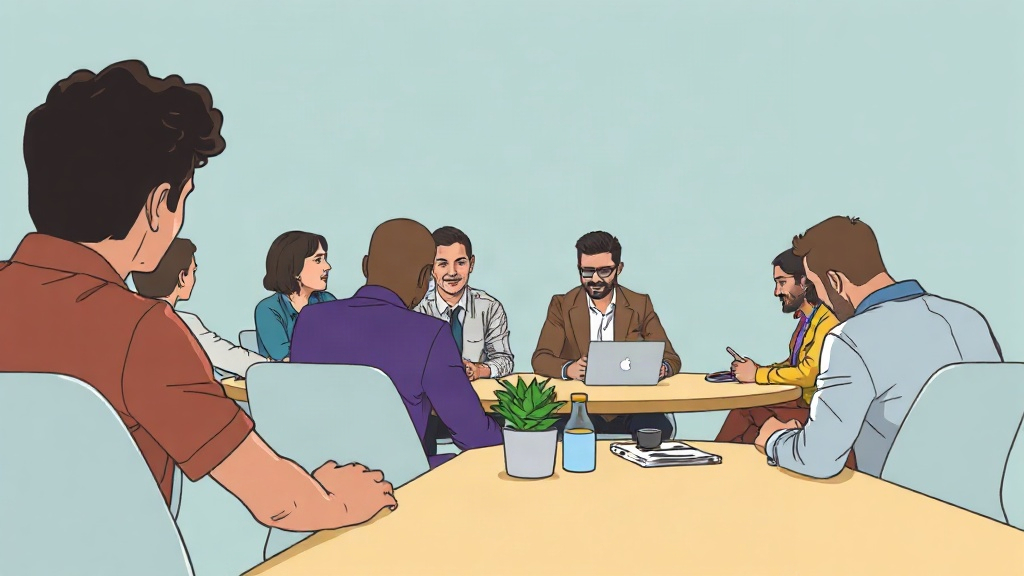
Every meeting tells a story about how your organization really works. Who speaks first, who stays silent, whether decisions are made or merely postponed: all of it reveals the habits, priorities, and unspoken rules behind your company's culture. That idea has been gaining ground in leadership circles, and recent commentary on the topic argues that fixing meetings is less about calendar hygiene and more about changing how people work together.
Meetings Are a Mirror, Not Just a Calendar Problem
If a team struggles with trust, its meetings tend to be tense, overly scripted, or dominated by a few voices. If accountability is weak, the same agenda items resurface week after week. If leaders prize visibility over results, meetings become performances.
This is why simply cutting meetings rarely solves the deeper issue. Remove a weekly status call without addressing why people feel the need to report constantly, and the behavior moves into chat threads and email chains. The meeting was a symptom, not the disease.
The Cost of Defaulting to a Meeting
Most professionals know the feeling of a day chopped into 30-minute fragments, leaving no stretch of focused time. Fragmented schedules drain deep work, and the cost compounds when meetings lack a clear purpose.
Shopify's widely discussed meetings purge became a landmark example. The company removed recurring meetings with more than two people, reclaimed thousands of hours, and encouraged teams to rebuild only what was truly necessary. Reported results pointed to meaningful productivity gains, and the story resonated because it treated time as a shared resource rather than a free one.
The lesson is not that every company should copy the same policy. It is that the default should change. A meeting should be something you justify, not something you schedule out of habit.
Prepare for Decisions Before You Meet
One of the most practical shifts is moving the thinking out of the room. Many meetings stall because participants arrive without context, then spend the first half-hour absorbing information that could have been read in five minutes.
A decision-first approach looks like this:
- Share a short pre-read. A one-page brief outlining the problem, options, and recommendation lets people arrive informed. - State the decision required. Is the group approving, choosing between options, or brainstorming? Say so at the top of the invitation. - Collect input asynchronously. Comments in a shared document surface concerns early and give quieter colleagues a fairer voice. - Name a decision owner. Consensus is nice; clarity is better. Someone should be accountable for the final call.
When preparation happens beforehand, the live conversation can focus on the genuinely difficult trade-offs.
Practical Habits That Reshape Meeting Culture
Culture changes through repeated small behaviors, not memos. A few habits that tend to stick:
- Default to shorter durations. Twenty-five and fifty-minute slots build in breathing room and discourage filler. - Require an agenda or cancel. If nobody can articulate the purpose, the meeting probably isn't needed. - Protect focus blocks. Designate meeting-free mornings or days so deep work has a guaranteed home. - Close with owners and deadlines. End every meeting by confirming who does what, and by when. - Review recurring meetings regularly. Ask quarterly whether each standing meeting still earns its place. - Make participation optional where possible. Share notes or recordings so people can opt out without losing context.
Leaders Set the Tone
Nothing shapes meeting culture faster than leadership behavior. When executives show up late, multitask on their laptops, or dominate the conversation, the team follows suit. When they cancel pointless gatherings, invite dissent, and thank people for declining invitations they don't need to attend, they signal that time and judgment are valued.
Hybrid and distributed work has raised the stakes. With teams spread across time zones, every unnecessary call carries a higher cost, and written communication has become a core skill rather than a nice-to-have. Organizations that thrive tend to be deliberate about which conversations deserve real-time attention and which can happen on people's own schedules.
Start With One Honest Audit
A useful first step is an audit. Look at the last two weeks of your calendar and ask three questions for each meeting: Was the purpose clear? Did we reach a decision or a next step? Did the right people attend? The answers will tell you far more about your culture than any engagement survey, and they point to the first changes worth making.
Better meetings are not about having fewer conversations. They are about having the right ones, with the right people, prepared well enough to move work forward.